
Steel structures have become the backbone of modern industrial architecture. Their strength, durability, and flexibility make them an excellent choice for a wide range of applications, from warehouses to manufacturing plants. This article explores the main types of steel structures used in industrial buildings, their characteristics, advantages, and applications.
1. Introduction to Steel Structures
Steel is an alloy composed primarily of iron and carbon. Its properties, including high tensile strength and ductility, allow it to support heavy loads and withstand extreme conditions. Steel structures are typically categorized by their form and function, each with unique advantages and applications in industrial settings.
2. Types of Steel Structures
2.1 Steel Frames
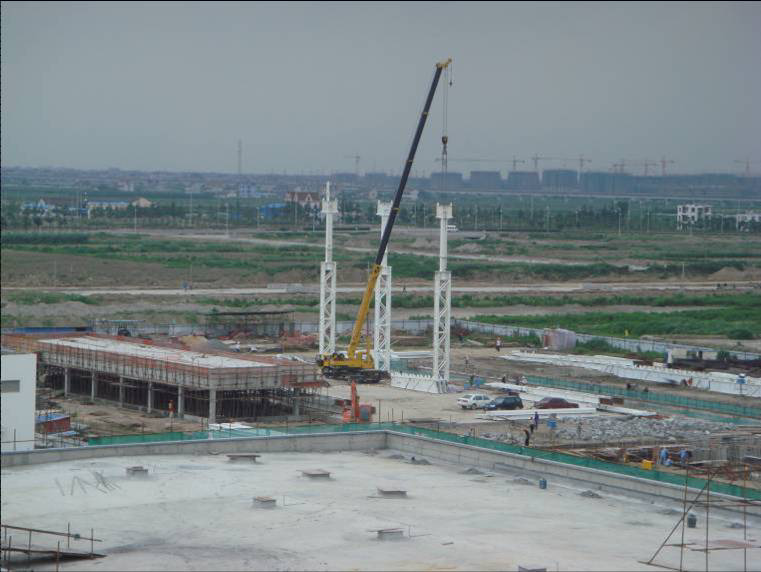
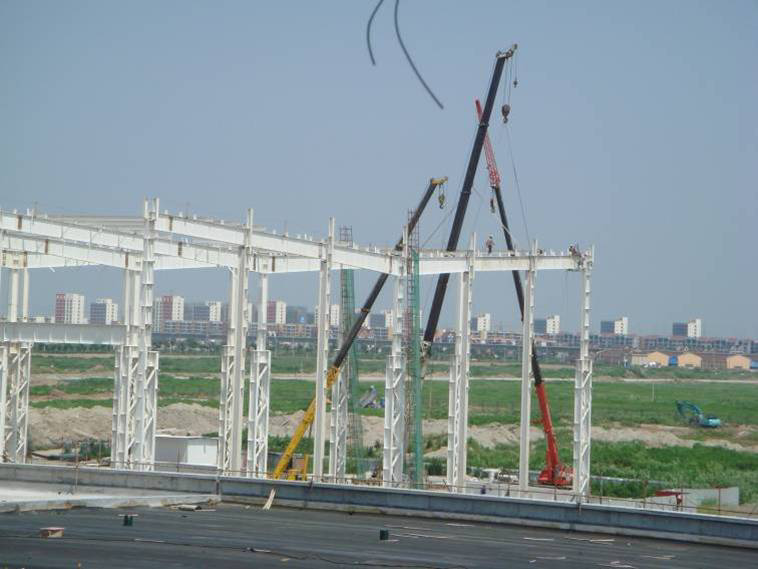
Steel frames are among the most common structural systems in industrial buildings. They consist of a network of vertical and horizontal steel members that create a framework.
Characteristics:
- Composed of beams and columns.
- Forms a rigid structure resistant to lateral forces.
- Can be designed for both single and multi-story buildings.
Advantages:
- High strength-to-weight ratio.
- Efficient use of space due to open layouts.
- Fast construction times.
Applications:
- Factories and manufacturing plants.
- Warehouses and distribution centers.
- High-rise commercial buildings.
2.2 Steel Trusses
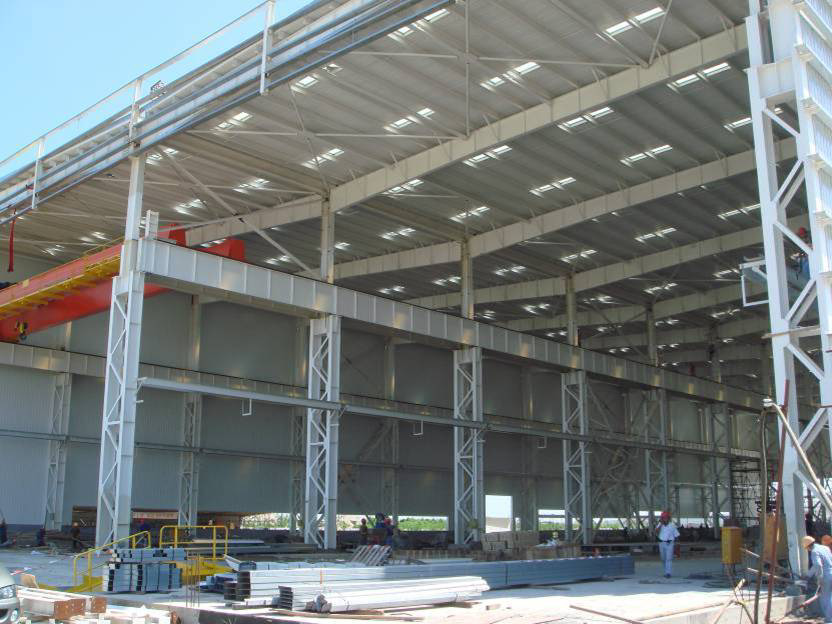
Steel trusses are structures made up of triangular units. They distribute loads over a larger area, making them ideal for spanning long distances without intermediate supports.
Characteristics:
- Composed of straight steel members connected at joints.
- Typically used for roof structures or bridges.
- Can be designed in various shapes, including Pratt, Warren, and Howe trusses.
Advantages:
- Lightweight yet strong, making them efficient in material use.
- Ability to cover large spans without obstruction.
- Excellent for areas requiring natural light and ventilation.
Applications:
- Roof systems for warehouses and buildings.
- Bridges and airport hangars.
- Sports facilities and auditoriums.
2.3 Steel Sheeting and Decking
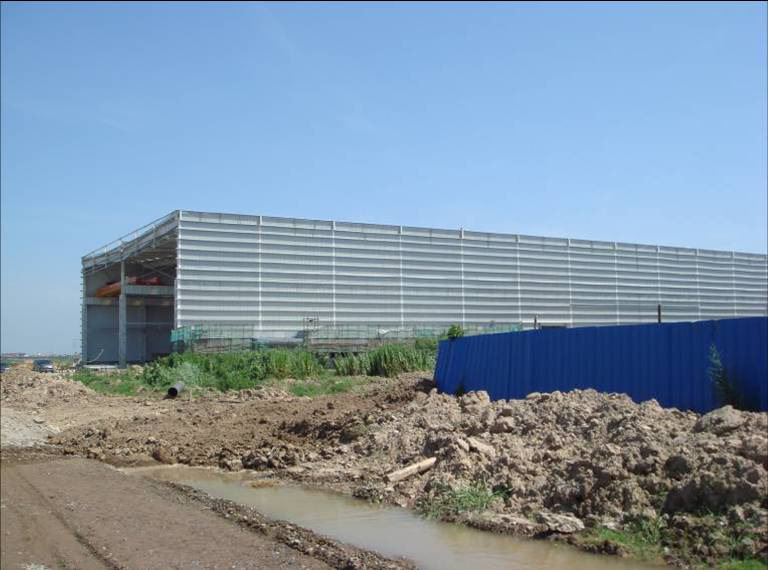
Steel sheeting and decking provide a protective layer and act as a structural element in industrial buildings. They are often used for floors, roofs, and walls.
Characteristics:
- Thin sheets of steel, often corrugated or flat.
- Available in various thicknesses and coatings for durability.
- Can be used alone or in combination with other structural systems.
Advantages:
- Lightweight and easy to install.
- Fire-resistant and can be treated for corrosion resistance.
- Cost-effective solution for enclosing buildings.
Applications:
- Roof decks in commercial buildings.
- Wall cladding in industrial facilities.
- Floor systems in multi-story constructions.
2.4 Steel Sheds and Canopies
Steel sheds and canopies are often designed for specific industrial applications, providing cover and protection for equipment, vehicles, and processes.
Characteristics:
- Simple structures typically made with lightweight steel frames.
- Can vary in size and design, from small shelters to extensive coverage areas.
Advantages:
- Quick installation with minimal foundations.
- Versatile configurations to meet specific needs.
- Cost-effective and low maintenance.
Applications:
- Equipment storage and maintenance areas.
- Loading docks and material handling zones.
- Outdoor workspaces for various industrial processes.
2.5 Pre-engineered Steel Buildings (PEBs)
Pre-engineered steel buildings are manufactured off-site, shipped to the construction site, and assembled quickly. This method reduces construction time and costs.
Characteristics:
- Pre-fabricated components such as frames, walls, and roofs.
- Designed using computer-aided design (CAD) technology for precision.
- Flexibility in design, allowing for customized solutions.
Advantages:
- Rapid assembly and reduced labor costs.
- High quality and consistent manufacturing standards.
- Energy-efficient options available.
Applications:
- Warehousing and distribution centers.
- Manufacturing facilities requiring fast construction.
- Retail outlets and showrooms.
3. Design Considerations for Steel Structures
When designing steel structures for industrial buildings, several factors should be taken into account:
3.1 Load-Bearing Capacity
Understanding the load requirements is crucial. This includes dead loads (permanent/static weights), live loads (occupants, equipment), and environmental loads (wind, seismic, snow).
3.2 Material Properties
The selection of steel grades is essential to ensure the structure’s durability and resistance to corrosion, high temperatures, and wear.
3.3 Connection Design
Effective joint design plays a critical role in ensuring structural integrity. Common connection types include welded, bolted, and riveted joints.
3.4 Building Codes and Standards
Compliance with local building codes and standards is mandatory. These regulations ensure safety and performance criteria are met.
4. Advantages of Steel Structures in Industrial Buildings
Steel structures offer numerous advantages that contribute to their widespread use in industrial buildings:
4.1 Durability and Longevity
Steel structures can last for decades with minimal maintenance. They are resistant to issues such as rotting, warping, and pests, which commonly affect other materials.
4.2 Reduced Construction Time
The prefabrication of steel components allows for quicker on-site assembly, which can significantly reduce the overall construction timeline.
4.3 Cost-Effectiveness
Despite higher upfront costs, steel structures often prove more economical over time due to their durability, reduced need for maintenance, and efficient construction methods.
4.4 Flexibility and Adaptability
Steel frames allow for easy modifications or expansions as business needs change. This flexibility makes them suitable for various industrial applications.
4.5 Sustainability
Steel is recyclable, with many structures incorporating recycled materials, making them a more sustainable option. Additionally, efficient construction practices reduce waste.
5. Conclusion
In conclusion, steel structures are integral to modern industrial buildings. With various types such as steel frames, trusses, and pre-engineered buildings, each serves specific needs and offers numerous advantages like durability, cost-effectiveness, and flexibility. As industries continue to evolve, steel will undoubtedly remain a vital material in constructing functional and sustainable industrial spaces.
By understanding the different types of steel structures and their applications, architects and engineers can design more effective and innovative buildings that meet the demands of various industrial sectors. The future of industrial construction is bright with steel, as it continues to adapt and meet the challenges of modern design and engineering.
